Key Takeaways
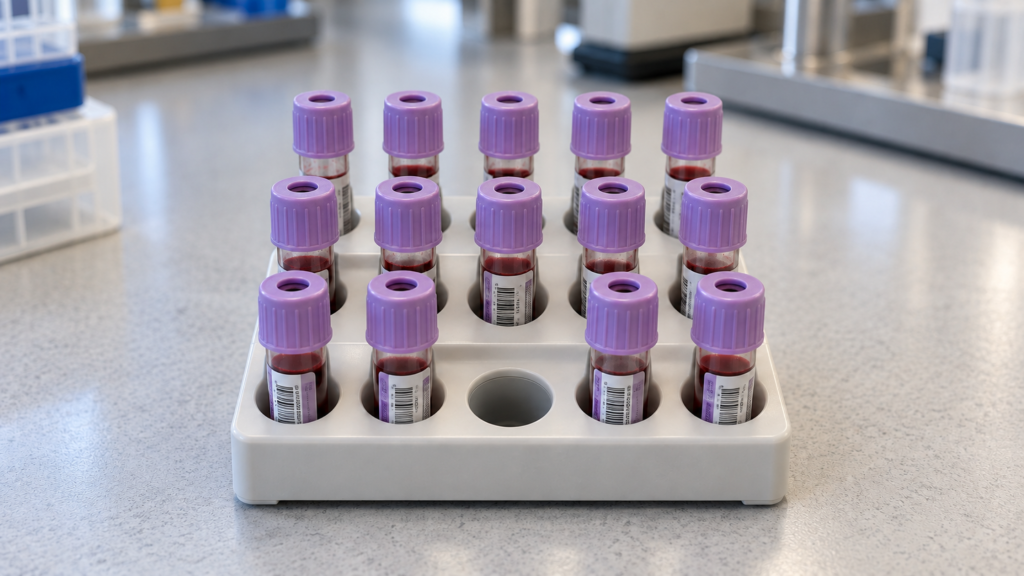
Twelve specimens leave a collection centre. Eleven are scanned in at the laboratory. The container arrived on time and looked normal. Finding the missing specimen is one task; establishing what happened to it along the way is another. This post explains what a transport record should capture so laboratory teams can investigate discrepancies, assess specimen suitability and retrieve evidence when questions arise.
A container arrives at the laboratory on time. It looks entirely normal. Twelve specimens were scanned at the collection centre, but eleven are scanned in at reception.
The team now faces two questions: where is the twelfth specimen, and what happened to it along the way?
Finding it resolves the discrepancy in numbers. It may still leave questions about where it was, how long it spent there and what conditions it experienced. Answering those questions can mean retrieving a connected record or piecing together a timeline from separate systems, delivery dockets and phone calls.
That is where a well-documented chain of custody helps: giving laboratory teams evidence to explain the journey and inform what happens next.
Twelve Left, Eleven Arrived
At reception, the team has a limited picture. The container arrived on time, the packaging is intact and eleven specimens are present. The dispatch record lists twelve.
Those checks establish that there is a discrepancy. They do not explain where it occurred or what happened to the missing specimen.
When the discrepancy becomes visible depends on when the received specimens are checked against the dispatch record. If that comparison happens during unpacking, the investigation can begin at receipt. If reconciliation happens later, the gap may remain unnoticed until someone follows up an outstanding specimen or result.
The time of arrival is recorded. The time a missing specimen is identified depends on the checks that follow.
What You Can Answer in the First Ten Minutes
When a discrepancy appears, the records already captured shape what the team can establish straight away. Staff can retrieve and bring together information afterwards, but gaps in the transport record may remain.
Consider three possible starting points:
Dispatch and receipt records only
You can compare what was recorded as leaving with what was received. To investigate the journey between those points, staff may need delivery dockets, courier records and phone calls. Those sources can help explain what happened, but may leave questions about transport conditions or the timing of particular events.
The container was monitored
Depending on the monitoring system, you may have records of location, stops and conditions during transport. These help explain the container’s journey. To apply that evidence to a particular specimen, you also need to establish whether it was in the container during the period in question.
Individual specimens were linked to the monitored container
Recorded specimen identifiers connect the dispatch list to the container’s journey. Comparing dispatch and receipt records can identify which specimen is unaccounted for, while the linked monitoring data provides evidence about the container carrying it. Any removal or transfer needs to be recorded to keep that connection accurate.
The practical question is whether your team can move from a specimen identifier to the relevant journey records, and establish where the documented trail ends.
Working It Out Afterwards
Without a connected record, the investigation may begin with a physical search.
Staff check the laboratory benches, other containers and the delivery vehicle. If the specimen is not found, they work backwards through collection and dispatch records to establish what was scanned and what can be confirmed as packed. The courier may be asked about stops, handovers or anything unusual during the run. A timeline gradually takes shape from the available records and recollections.
This work carries three practical costs.
- Staff time – Searching, making calls and checking separate systems draws people away from their other responsibilities. An investigation may involve collection staff, couriers and laboratory teams before the discrepancy is resolved.
- Uncertainty – A timeline assembled afterwards can provide useful evidence, but its completeness depends on what was recorded and what people can recall. Finding the specimen may still leave gaps about its handling or transport conditions.
- Decisions before the picture is complete – Staff may need to decide whether to proceed with testing, hold a specimen or request recollection while the investigation continues. Evidence captured during the journey can help inform those decisions sooner.
How the Manifest Connects the Record
The manifest links two parts of the investigation: what the container experienced and which specimens were expected to travel in it.
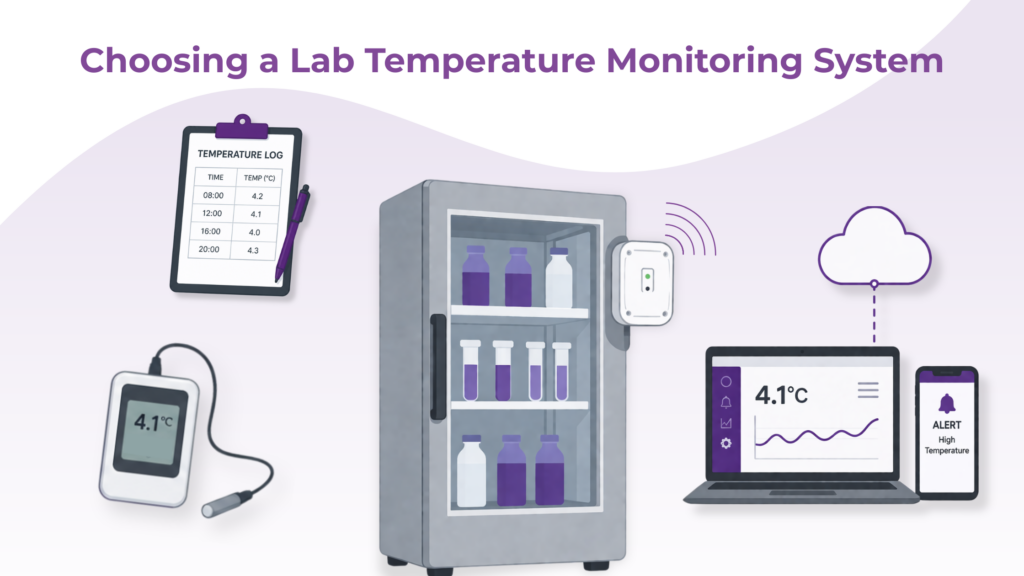
Monitoring provides a record of the container’s journey. Depending on the device and its configuration, that can include location, temperature, movement and opening events. Shipment requirements give those readings context.
If a container recorded nine degrees at three o’clock, staff need to know the applicable temperature limits and the duration of the excursion to assess its significance.
A manifest identifies the specimens assigned to the container. Alongside linked transport requirements, it helps establish what was expected: where the consignment was going, when it was due and what conditions needed to be maintained.
With those links and checks configured, the system can compare recorded events with the shipment’s requirements. A temperature reading outside the defined range can trigger an alert. Reception scans can be reconciled against the dispatch list to flag an unmatched specimen identifier.
The manifest connects the specimen list to the monitored journey. That connection helps staff retrieve relevant evidence, identify discrepancies and decide what to investigate next.
Sample Traceability Across Multiple Operators
A specimen’s journey may involve several transport operators before it reaches the laboratory.
Consider a specimen collected in a regional town. It travels by courier to a depot, continues by air, then passes to another courier for delivery to the laboratory. Each stage may generate its own tracking and handover records. Bringing those records together can require information from several providers.
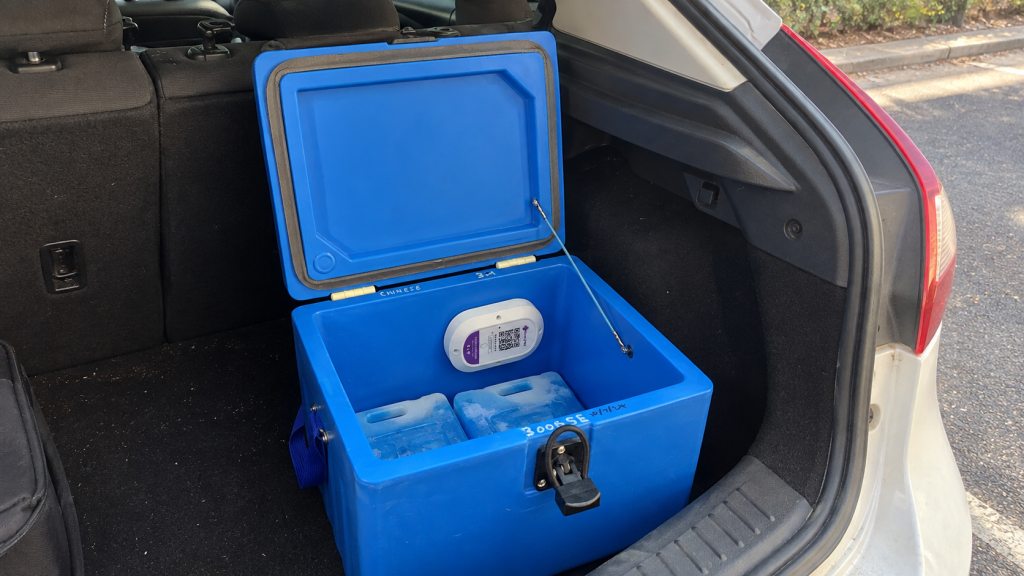
Monitoring attached to the transport container provides a consistent source of journey data as the container moves between vehicles and operators. Its recorded history remains associated with the container throughout those transfers.
Connectivity can vary along the route. Where a device supports local storage, it can retain readings during a coverage gap and transmit them when connectivity returns. This can preserve condition data for later review, although live visibility and alerts may be interrupted.
For that container history to support specimen traceability, the specimen must remain linked to the container. If it is removed or transferred, that change also needs to be recorded.
Together, container monitoring, specimen associations and handover records help laboratory teams follow the journey across operators and identify where further information is needed.
What Has to Be True for Any of This to Work
Chain of custody procedures need to be straightforward to follow during routine collections, transport and reception. Several practical conditions help keep the record useful.
- Capture fits the workflow – Recording scans and handovers as they happen reduces reliance on memory and later data entry. Clear steps and minimal duplicate entry make consistent capture easier during busy periods.
- The container has a consistent identity – A unique container identifier links its journey records across vehicles and operators. Any transfer of specimens to another container also needs to be recorded.
- Specimen association is straightforward – Barcode scanning can link specimens to a container at dispatch and reconcile them at receipt. The process also needs to accommodate removals, transfers and corrections without losing that link.
- Limits reflect transport requirements – Temperature limits and alert settings need to suit the specimens being carried. Relevant settings help staff distinguish events requiring attention from routine variation.
- Exceptions have an owner – Responsibilities should be clear for reviewing alerts, investigating discrepancies and deciding what action is needed. Recording the assessment, action and outcome helps explain how an exception was managed.
- Records can be retrieved by specimen identifier – Months later, authorised staff should be able to find the relevant journey, handover and condition records through a clear retrieval process. That includes being able to see where information is missing.
Test Your Own Record
Choose one real collection route and check what your records can show about the journey.
Our one-page Chain of Custody Capture Checklist covers identity, location and timing, conditions and exceptions, and record integrity. For each item, ask:
Is it captured? Is the information recorded routinely as part of the journey?
Can it be retrieved? Can staff find it later for a specific specimen or consignment without relying on someone’s recollection?
Is it traceable? Is the entry time stamped and linked to the relevant specimen, container or consignment, with any later changes visible?
Information may be captured but difficult to retrieve, or available without enough detail to establish when an event occurred. Identifying those gaps gives your team a practical starting point for improving the record.
Final Thoughts
Twelve specimens left the collection centre. Eleven were received at the laboratory. The immediate task is to identify and locate the missing specimen. The next is to establish what happened during its journey.
How readily the team can answer those questions depends on the records captured along the way and the checks completed at reception. Specimen identifiers, container associations, handover records and monitoring data each contribute part of the picture.
When those records are connected and retrievable, staff have a clearer starting point for the investigation and better evidence to inform what happens next.
See how the scenario unfolds
See how the twelve-specimen scenario unfolds in our webinar, Chain of Custody, Unbroken, where we investigate the discrepancy using separate records and then a connected record. Watch the webinar recording.
To discuss tracking across your own collection routes, book a demo or email [email protected].
FAQ: Chain of Custody in the Laboratory
It is the record of what happened to a specimen between collection and analysis. In forensic work the emphasis is on named handovers, because the question is about possession. In pathology the more useful definition is evidential: what you can demonstrate later about where a specimen was, what it was exposed to, and when it was last accounted for.
Inside the laboratory, yes. The limitation is that most LIMS records begin at booking in, so the transport stretch before arrival sits outside them. That is the part that has to be connected from another source.
Tracking tells you where something is now. Traceability means you can follow one specimen's history end to end afterwards, for a specific identifier, without assembling it from several systems. A network can have good tracking and poor traceability.
Scan the bag rather than each tube, and treat the bag identifier as the group. You get traceability down to the bag rather than the individual specimen, which for many workflows is enough, and it avoids adding a step for the person doing the collection.
Where your own procedures or accreditation requirements call for them, yes. A transport record does not replace them. What it does is cover the part a named handover never described, which is what happened to the specimen between those handovers.
That is the case the container record is built for. If the evidence is attached to the vehicle, it stops at each change of operator. If it is attached to the container, it continues across all of them.